Ijoga Orile · Ogun State · Nigeria
Modern cattle finishing.
Closer to market.
Maalu Ranch Limited is developing a controlled, traceable cattle-finishing operation built around local fodder production, disciplined animal health and dependable year-round supply.
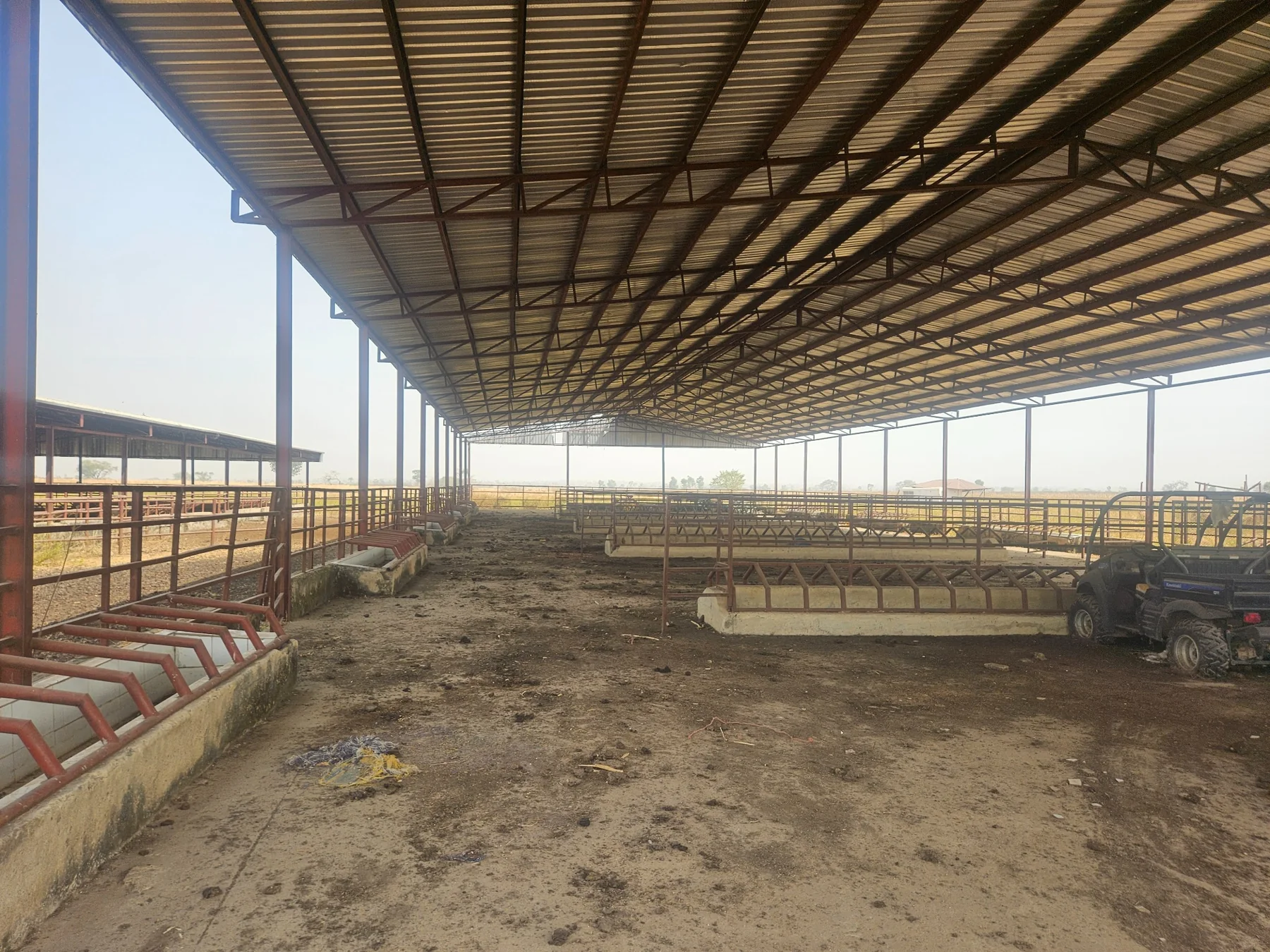
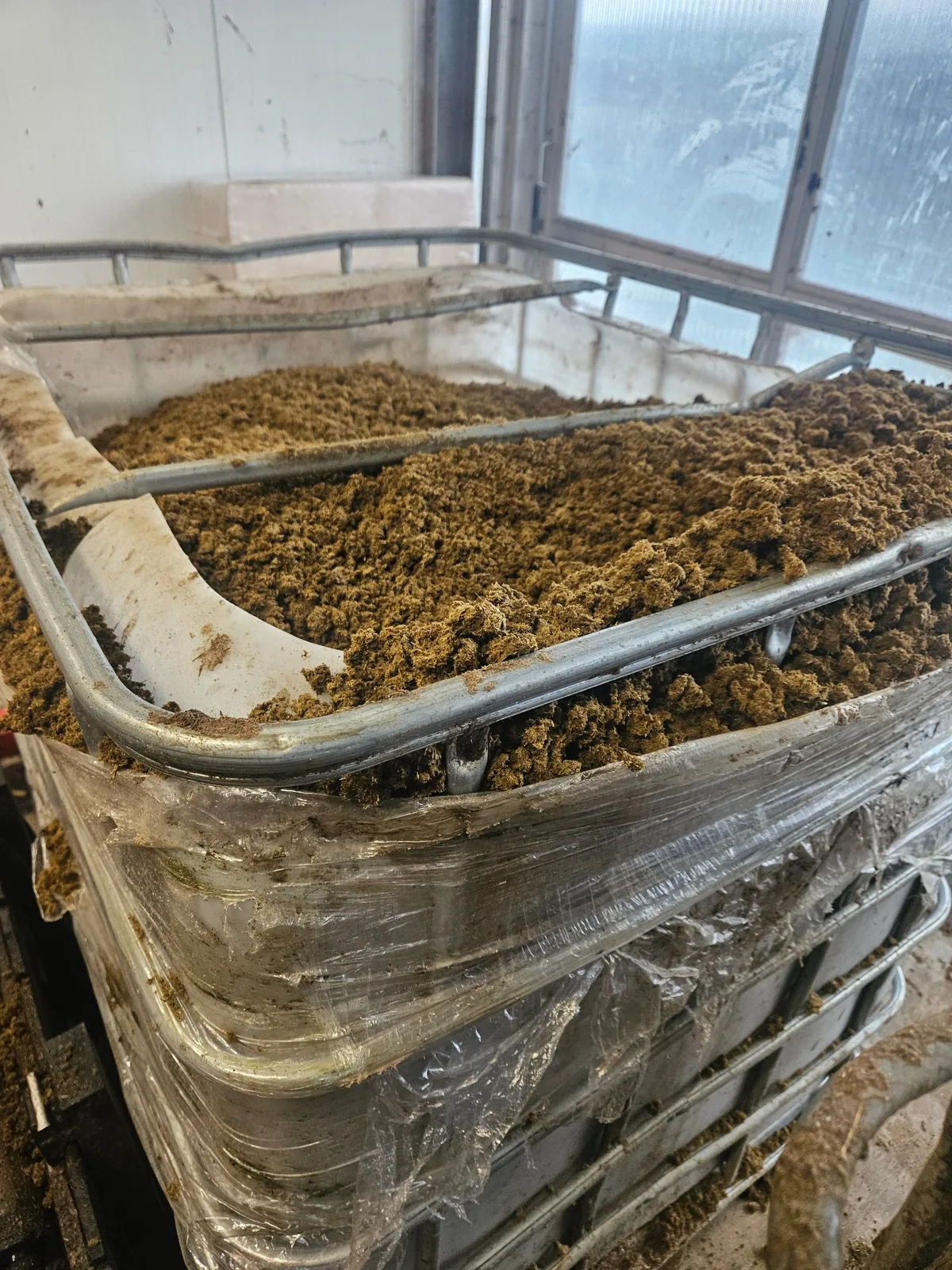
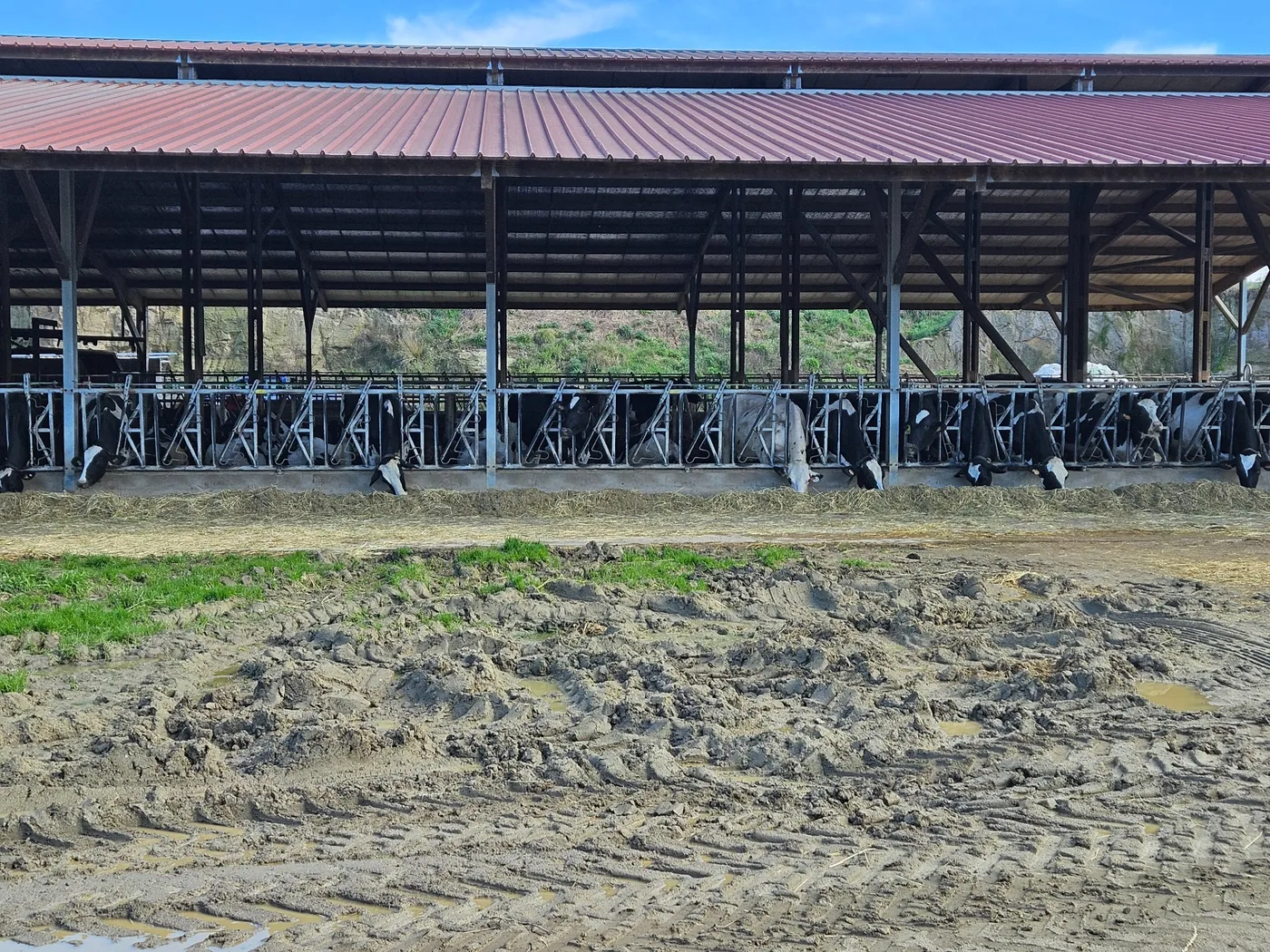
Reference imagery from the promoter’s ranch and dairy-farm visits.
Why Maalu
A modern ranch brand rooted in a simple idea.
Maalu, rooted in the Yoruba word for cattle, reflects a business that is local in identity and modern in execution.
The ranch is designed to finish young cattle close to Nigeria’s largest beef market rather than move under-conditioned animals over long distances. The result is a shorter supply chain focused on consistent weight, health assurance, traceability and predictable availability.
ReliabilityQualitySafetyProfessionalism
Our operating model
From arrival to sale, every stage is controlled.
Maalu is designed as a feedlot-only operation during its first five years, concentrating management on the variables that drive animal performance and commercial reliability.
01
Source
Young store steers are procured to defined age, weight and health specifications, with purchase and origin records captured at entry.
02
Quarantine
Each incoming cohort enters a minimum 14-day quarantine for identification, baseline weighing, vaccination, deworming and veterinary inspection.
03
Finish
Cattle move through a controlled 150-day backgrounding and finishing programme built around maize silage, Super Napier and measured supplementation.
04
Supply
Rolling cohorts create a pathway to regular sale-ready cattle for abattoirs, modern butcheries, supermarkets, hotels, restaurants and caterers.
Feed security starts on the land.
Integrated fodder
Grow the feed. Control the cost. Protect the cycle.
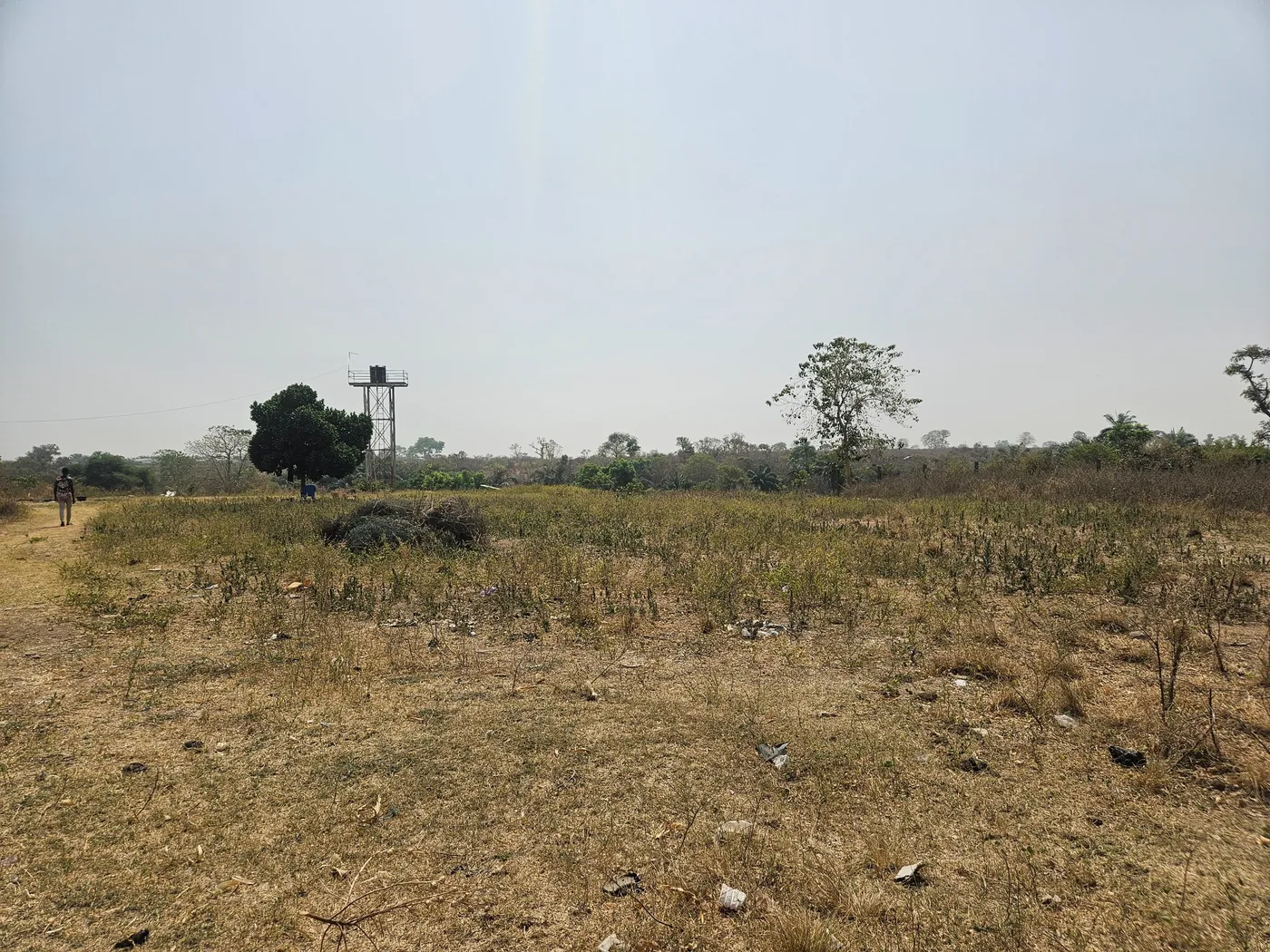
At peak, 70 hectares are planned for fodder production. Maize silage provides the energy base while Super Napier provides high-yield perennial biomass. Together, ranch-grown feed is designed to supply approximately 80% of ration dry matter.
47 hamaize silage at peak
23 haSuper Napier at peak
Manure nutrients are intended to return to the fodder fields, linking livestock production and soil fertility in a closed operating loop.
Built into the operation
Traceability, welfare and biosecurity by design.
Animal performance and buyer confidence depend on consistent records, disciplined health protocols and good welfare. Maalu’s operating design makes those controls part of the routine, not an add-on.
14-day entry quarantine
Incoming cohorts are separated, inspected, identified and treated before joining the main herd.
Documented animal history
Supplier, weight, health treatment, feed, interim performance and sale records are designed to follow each cohort.
Measured performance
Scheduled weighing and feed monitoring make weight gain, conversion and health outcomes visible to management.
Low-stress animal care
Adequate shade, clean water, ventilation, safe handling surfaces and prompt veterinary escalation support welfare and productivity.
The ranch at scale
Infrastructure built around flow, separation and control.
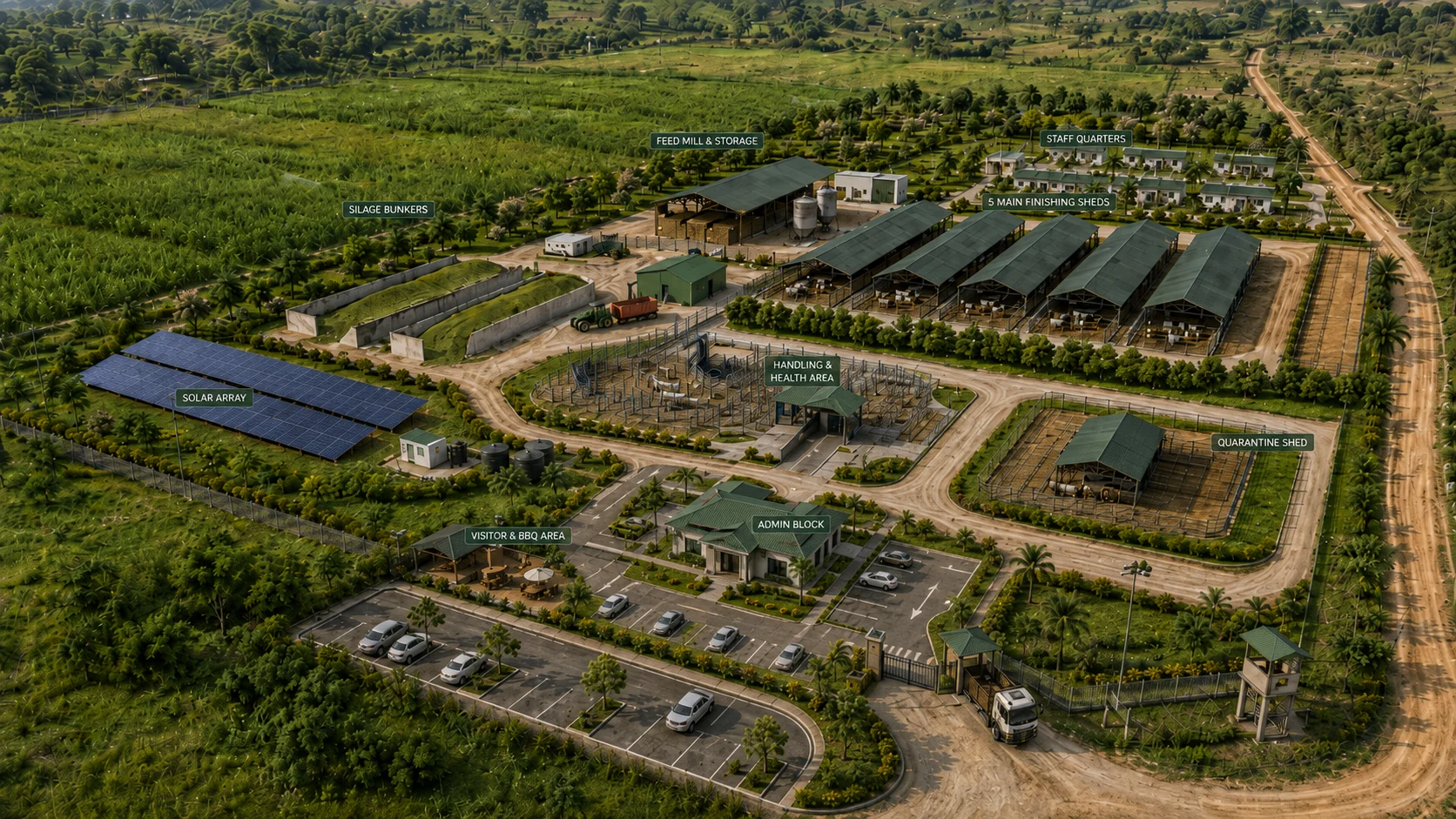
The planned site brings cattle handling, finishing, feed storage, utilities, security and staff functions into one integrated operating footprint.
Five finishing sheds
Dedicated cattle housing sized for the planned throughput and rolling cohort system.
Quarantine & handling
Separate entry, treatment, weighing and movement infrastructure to protect herd health.
Feed & silage
Silage bunkers, feed storage and handling areas support year-round ration availability.
Water & power
Boreholes, irrigation and solar power are planned as core operating systems rather than auxiliary services.
Security
Perimeter fencing, lighting, CCTV and watchtowers support asset and livestock protection.
On-site team
Staff accommodation and operational spaces keep essential capability close to the herd.
Close to Lagos
Designed around the market, not away from it.
Maalu’s Ogun State location is intended to shorten the final livestock journey into Lagos, reduce transport stress and create a more practical supply relationship with buyers that value consistency, health documentation and dependable collection windows.
The commercial strategy begins with abattoirs and traditional buyers, then progressively develops modern retail and institutional relationships as monthly volumes become more predictable.
01Abattoirs & butchersReliable volume and healthier animals
02Modern retailConsistent weights and traceability
03Hotels & caterersPredictable supply and health assurance
Promoter field visits
Learning from established operations.
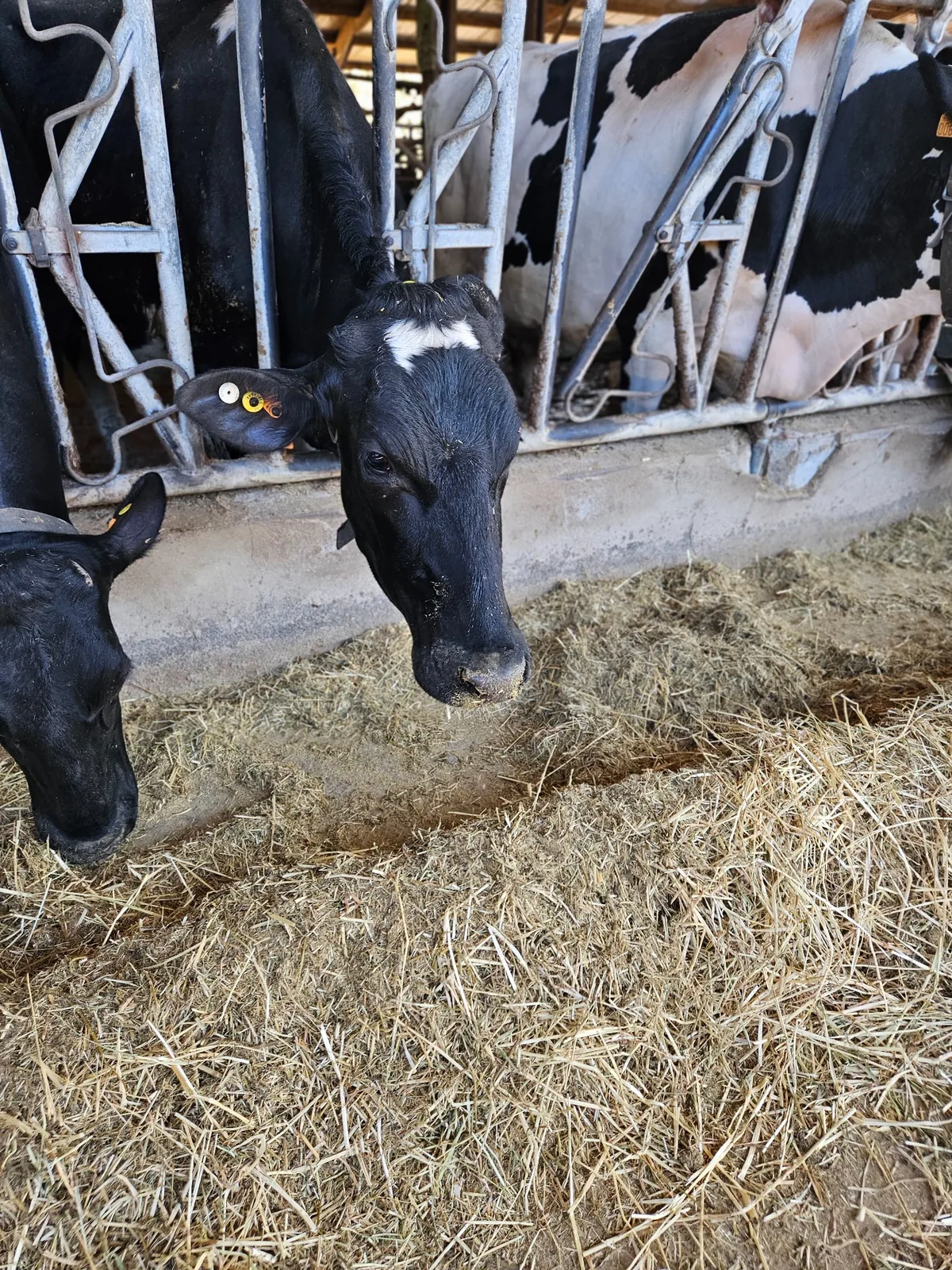
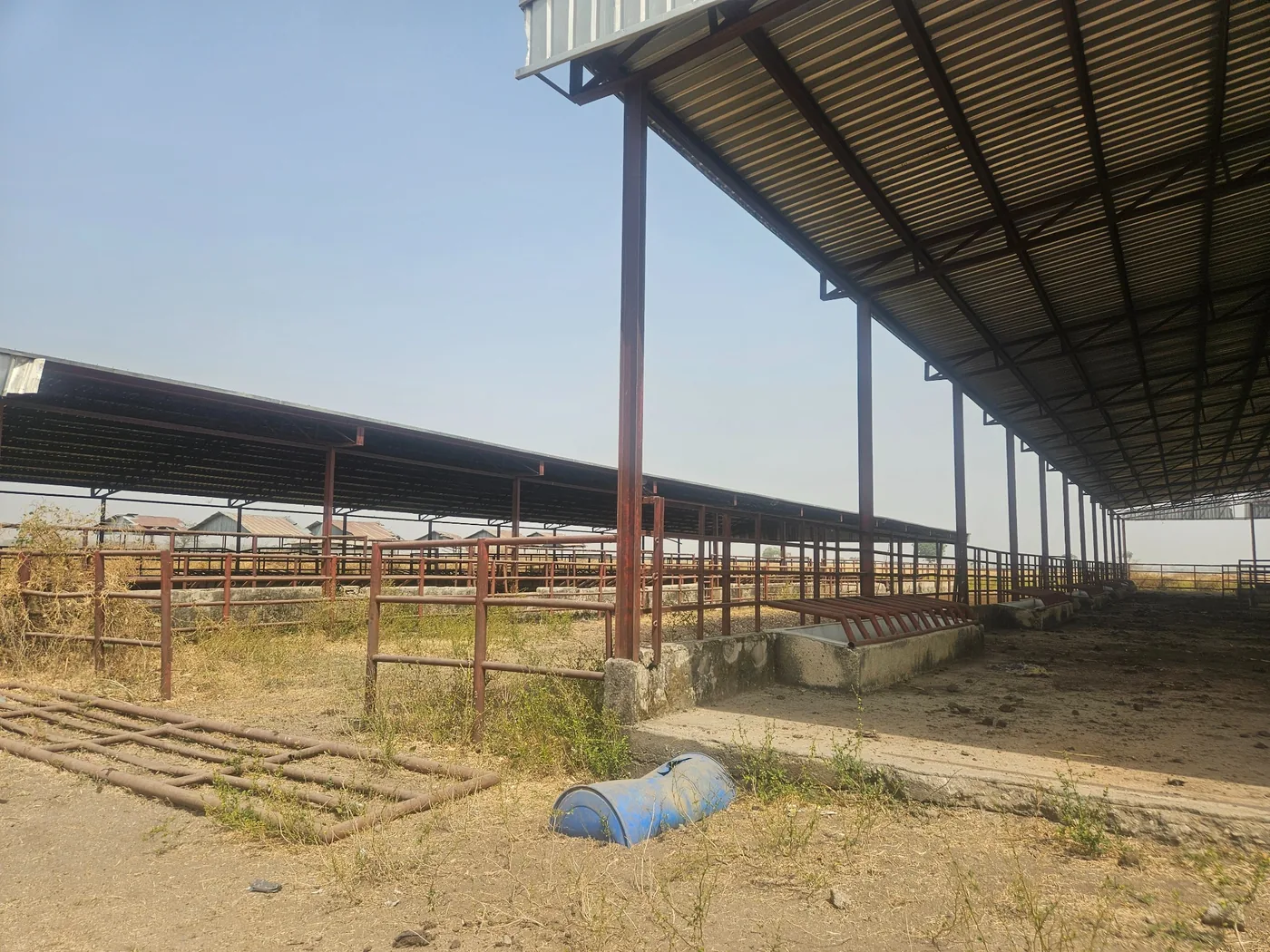
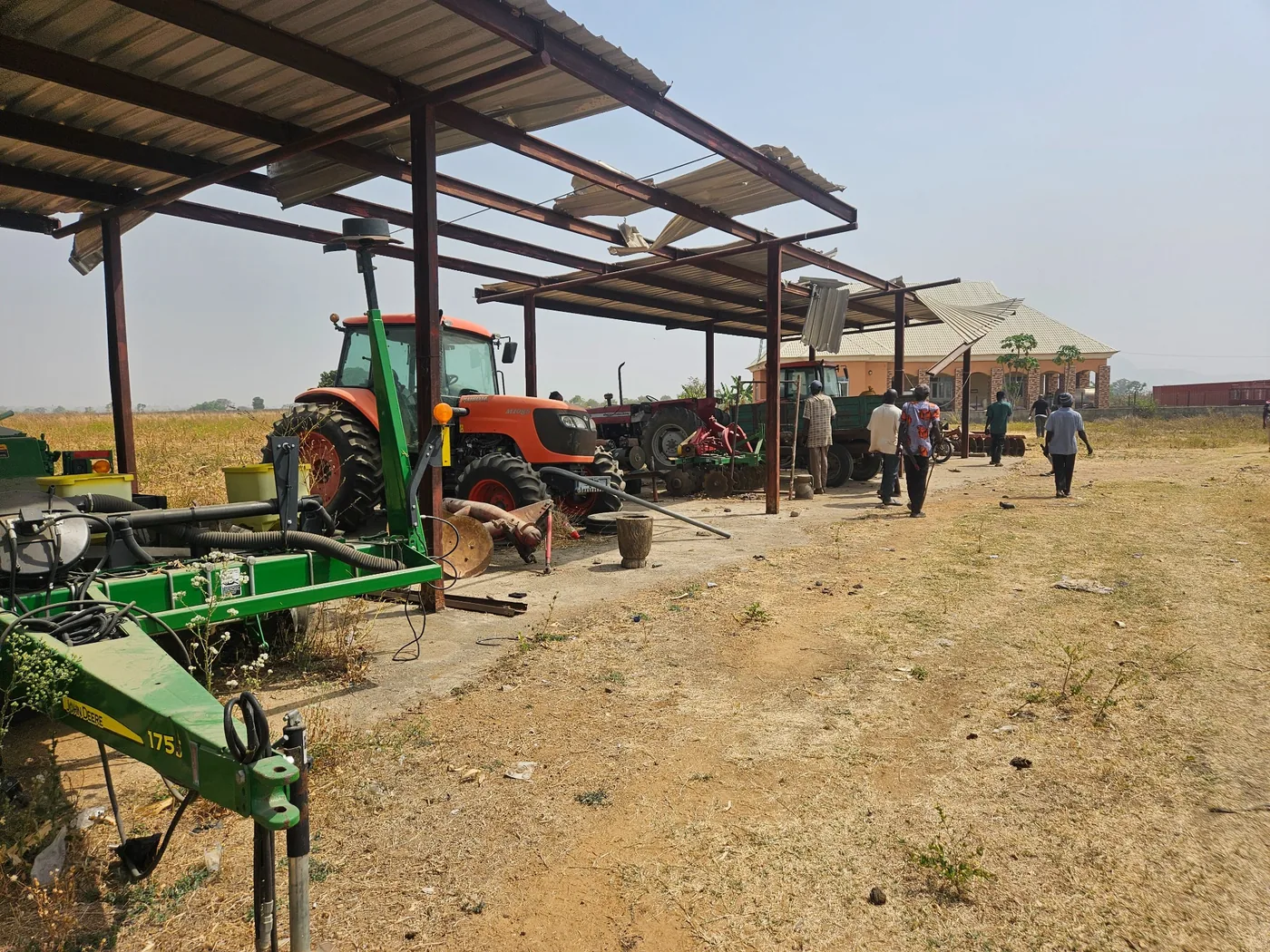
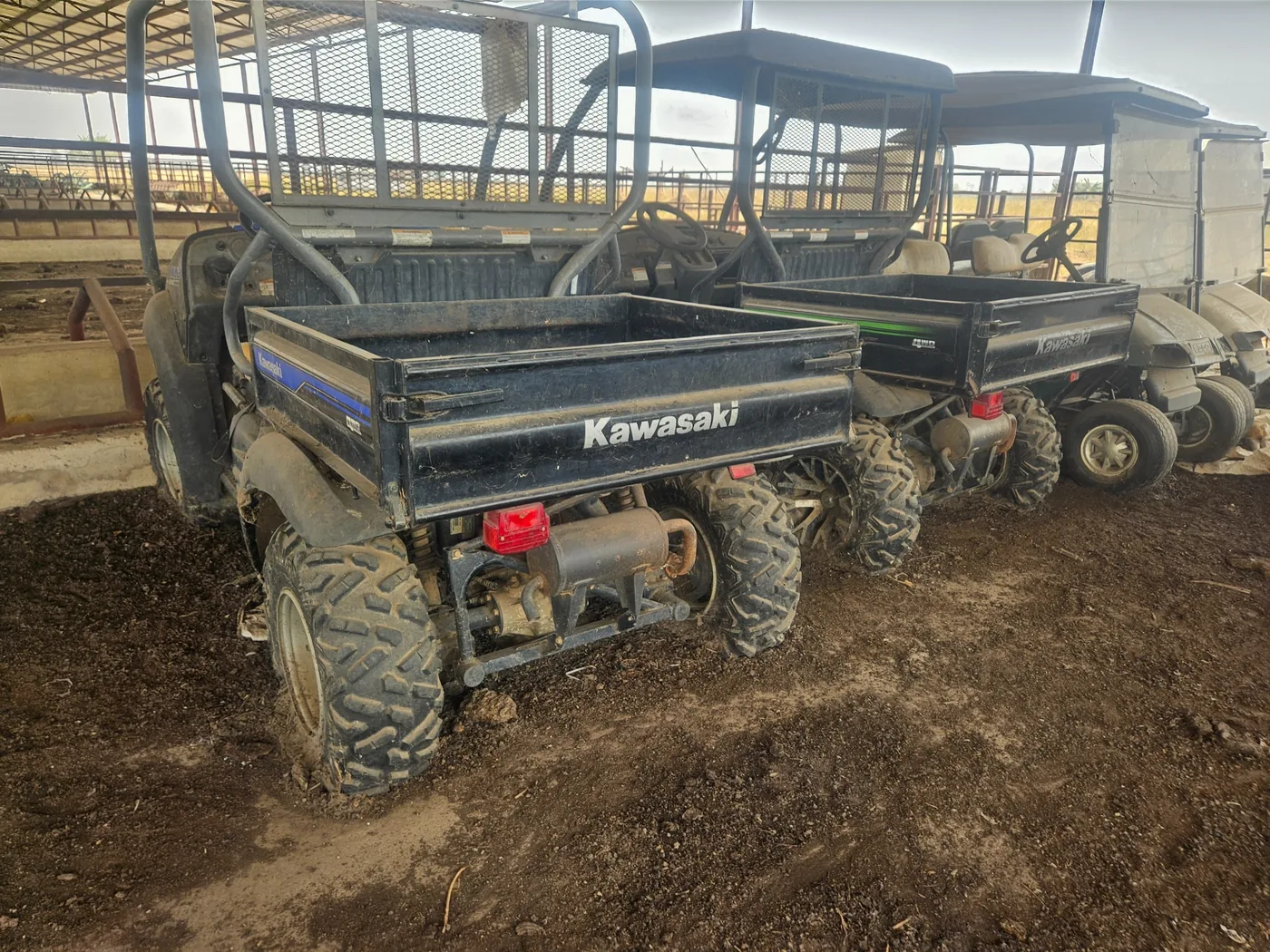
Selected photographs from benchmarking visits by the promoter to ranches and dairy farms in Denmark, Spain and Nigeria. The images are reference material for infrastructure, feeding, animal handling and operating practice, and are not photographs of the completed Maalu Ranch.
DenmarkSpainNigeria
Maalu Ranch Limited